ABOUT PRML 2026
2026 the 7th International Conference on Pattern Recognition and Machine Learning (PRML 2026)
July 10–13, 2026 | Urumqi, China
The 7th Conference on Pattern Recognition and Machine Learning (PRML 2026) was held in Urumqi, China from July 10–13, 2026. PRML 2026 was co-sponsored by Xinjiang University, IEEE, and Sichuan University, and supported by Chongqing University of Posts and Telecommunications, University of Electronic Science and Technology of China, Xi’an Jiaotong University, Xizang University, Xi’an Jiaotong-Liverpool University, and the University of Malaya. Throughout the conference, participants had the opportunity to engage in 3 keynote speeches, 3 invited speeches, 2 special oral sessions, 6 oral sessions, and 1 poster session. PRML 2026 aimed to provide a premier platform for leading academic scientists, researchers, and scholars to exchange ideas, share experiences, and present their latest research findings in the fields of pattern recognition and machine learning.
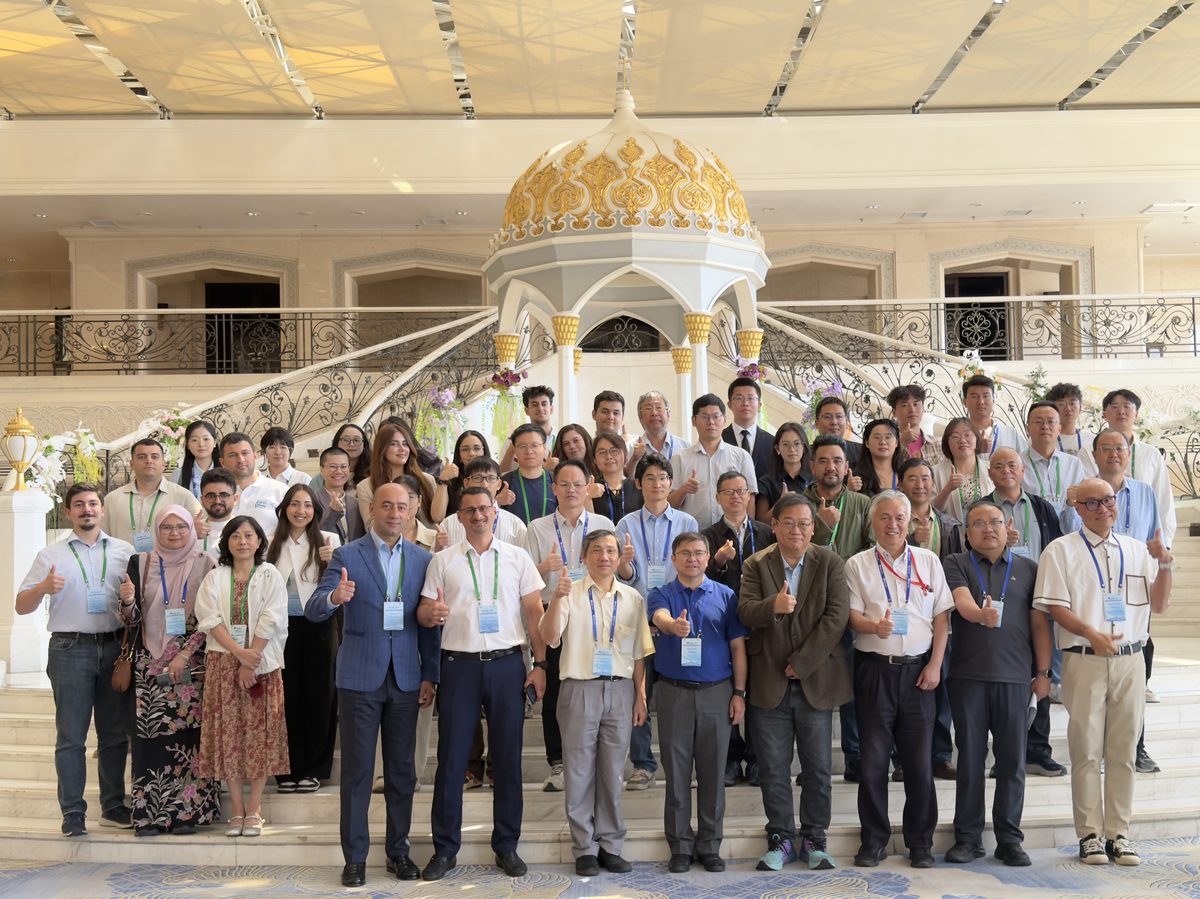
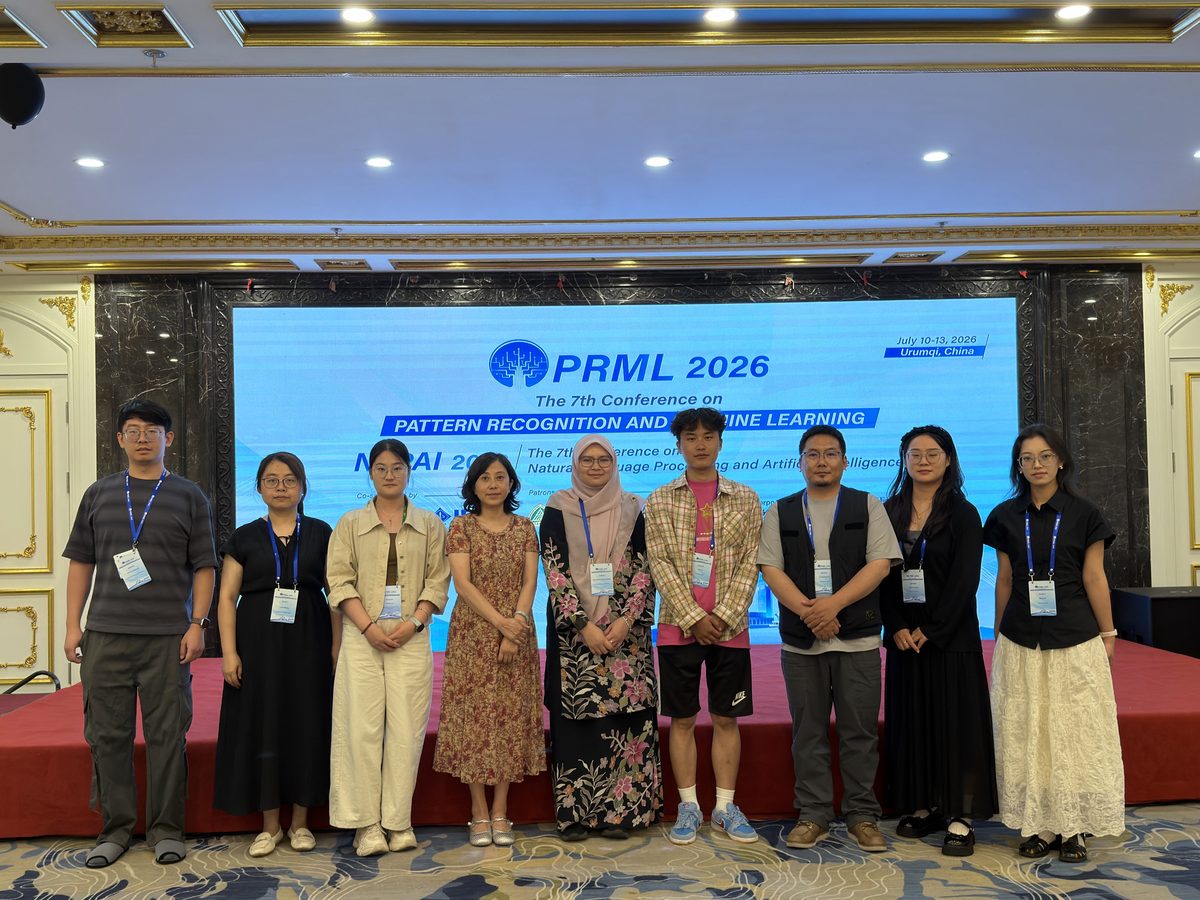
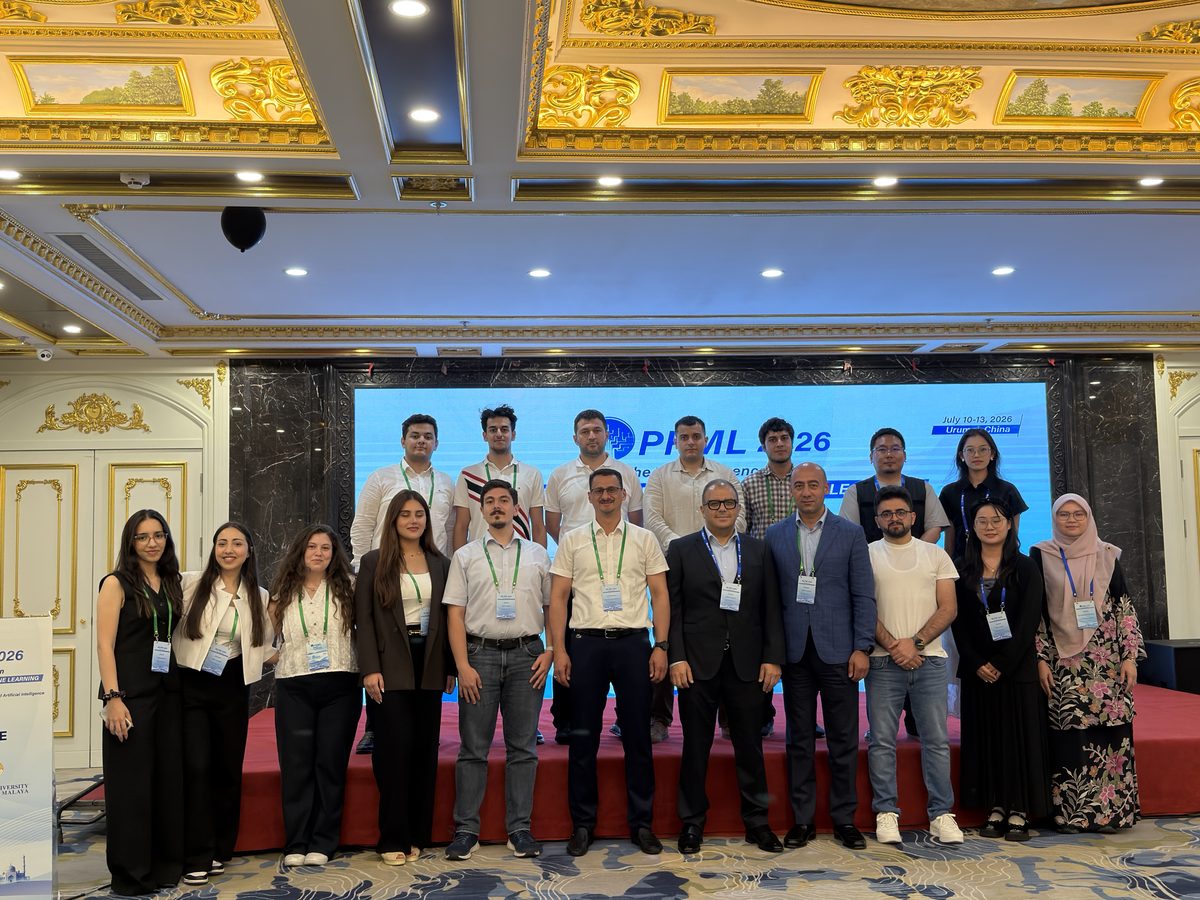
PRML 2026 Group Photo · Urumqi, China
OPENING REMARKS
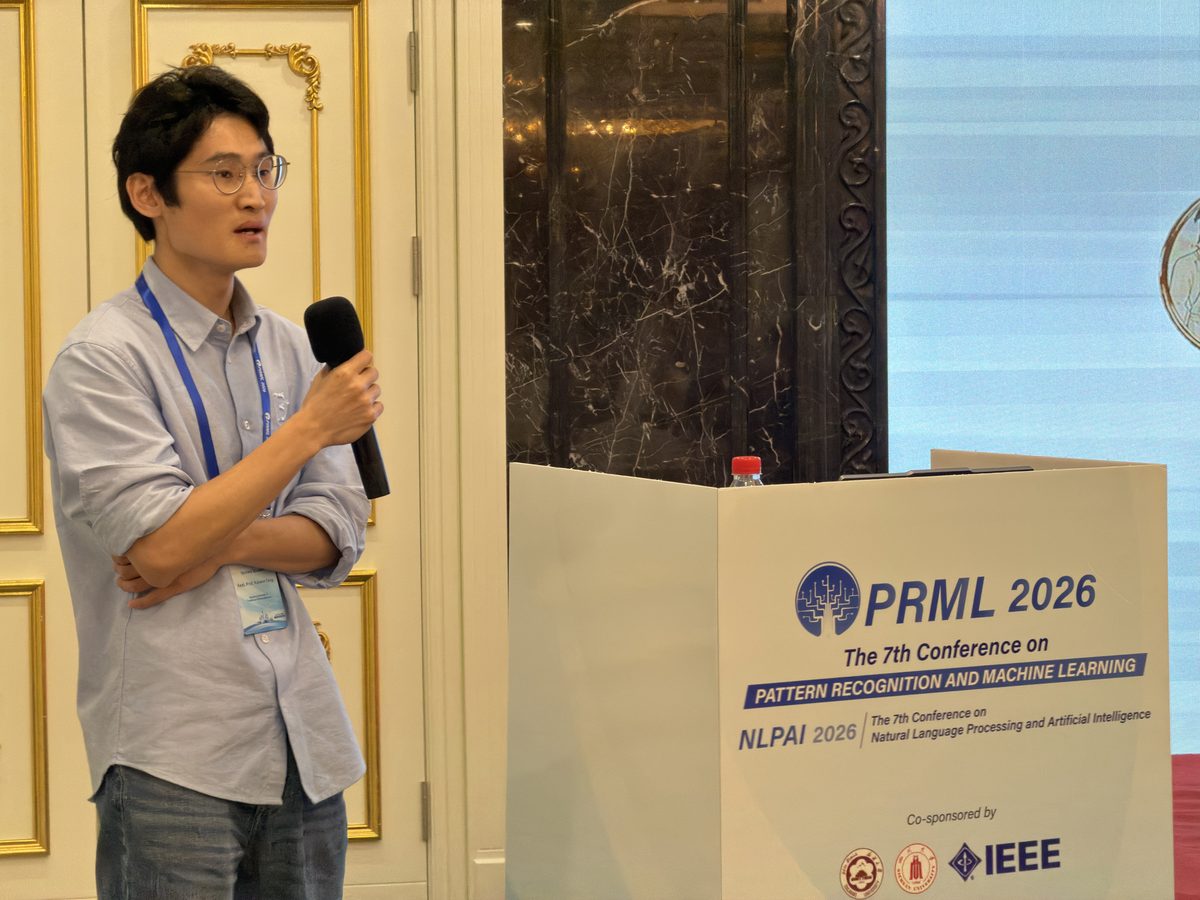
On the morning of July 11, the Program Chair, Prof. Kurban Ubul from Xinjiang University, delivered the opening remarks. He extended a warm welcome to all participants from around the world.
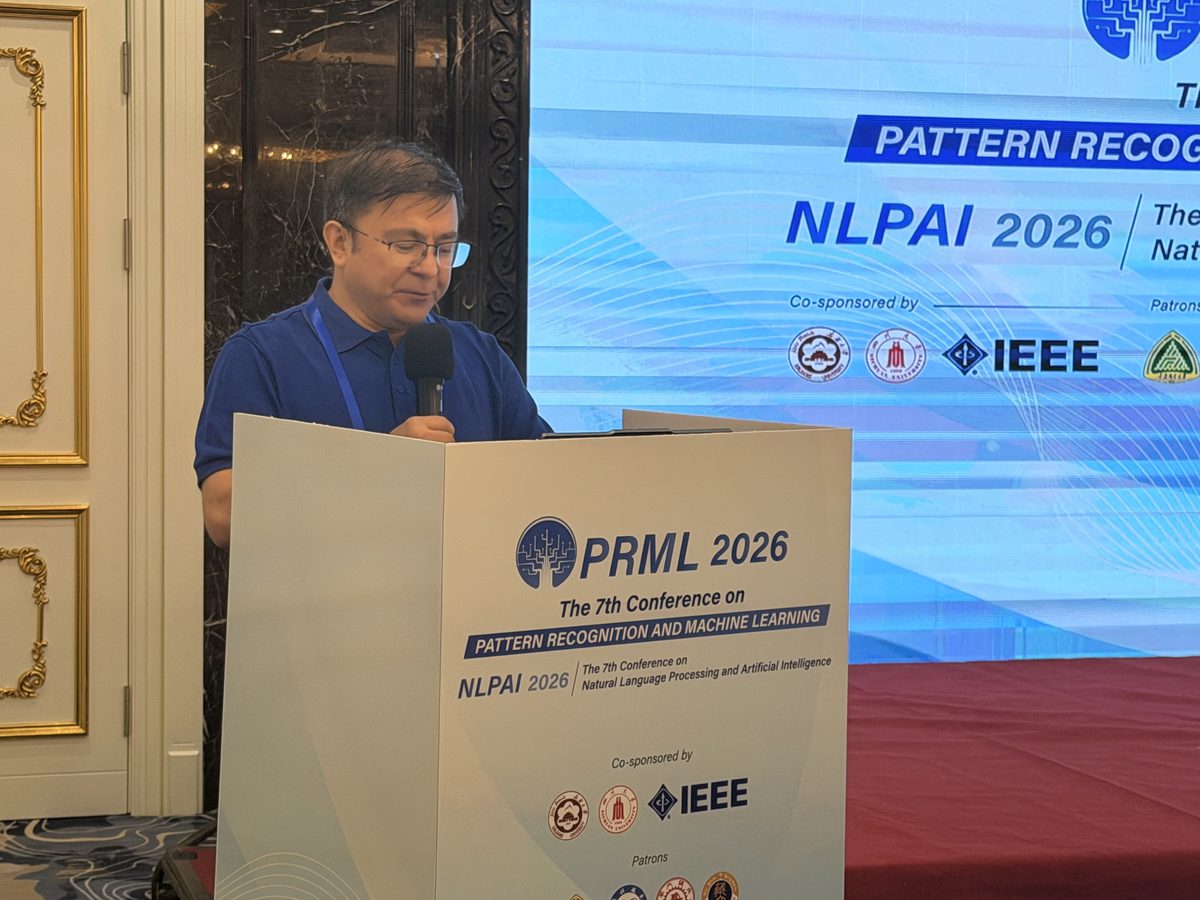
Opening Remarks — Prof. Kurban Ubul, Program Chair, Xinjiang University
KEYNOTE SPEECHES
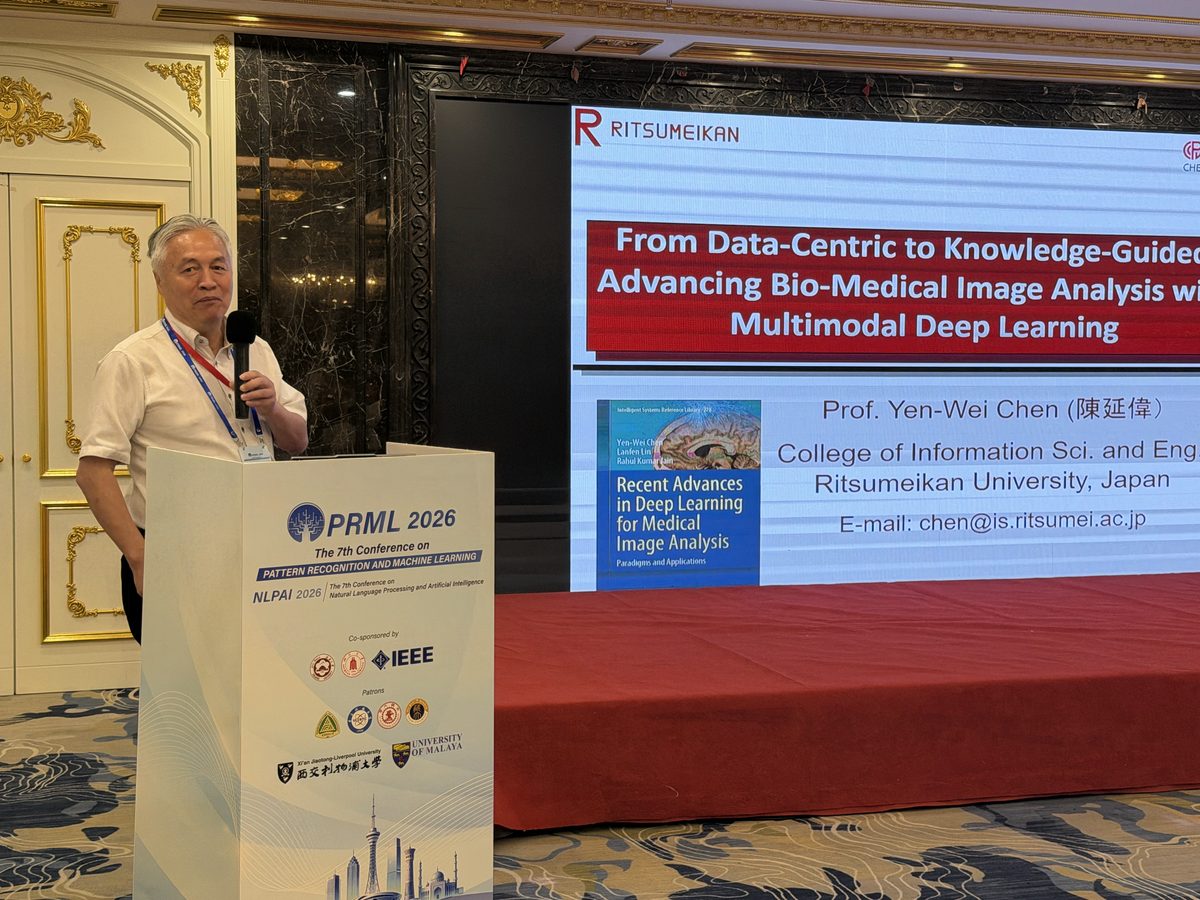
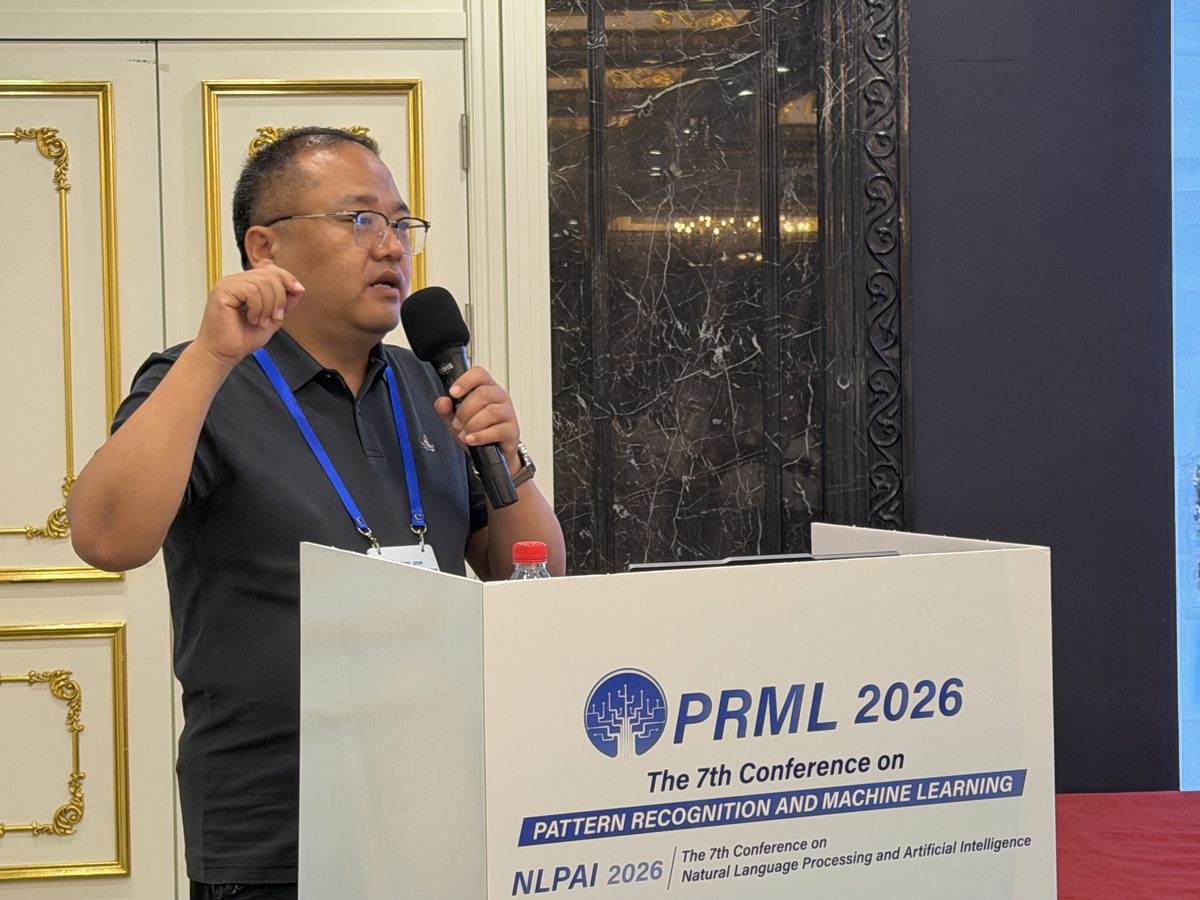
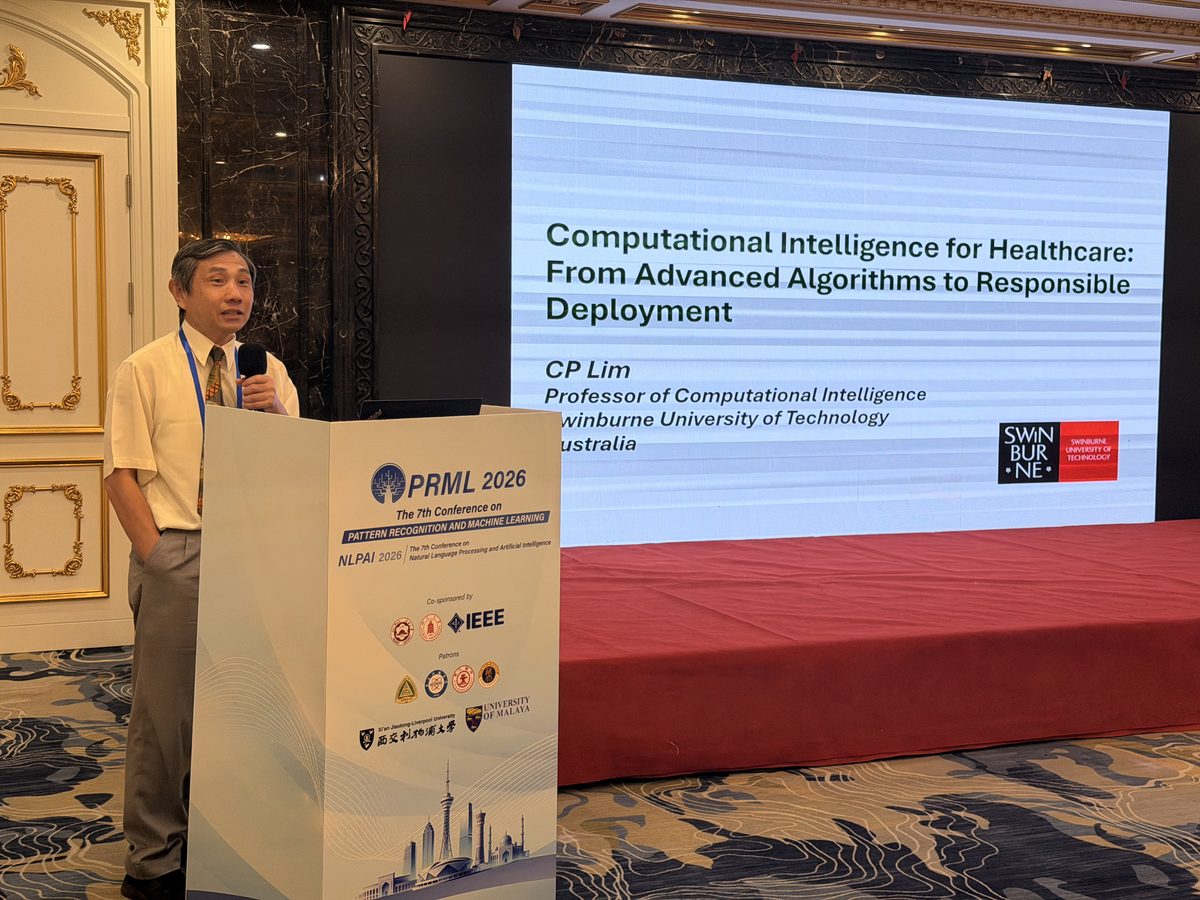
Chair Prof. Chee Peng Lim from Swinburne University of Technology, Prof. Yen-Wei Chen from Ritsumeikan University, and Prof. Xiaobing Yan from Hebei University, presented their latest research achievements in keynote speeches.
INVITED SPEECHES
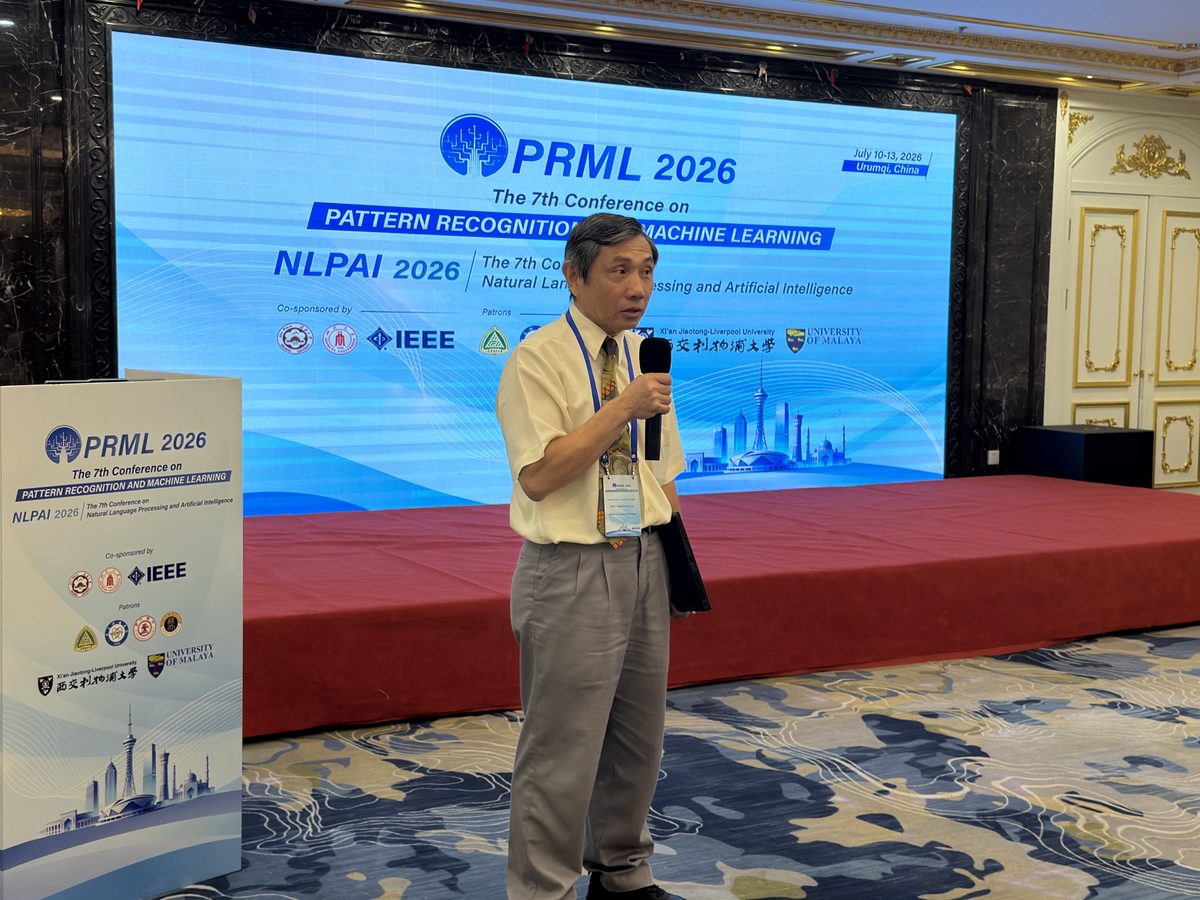
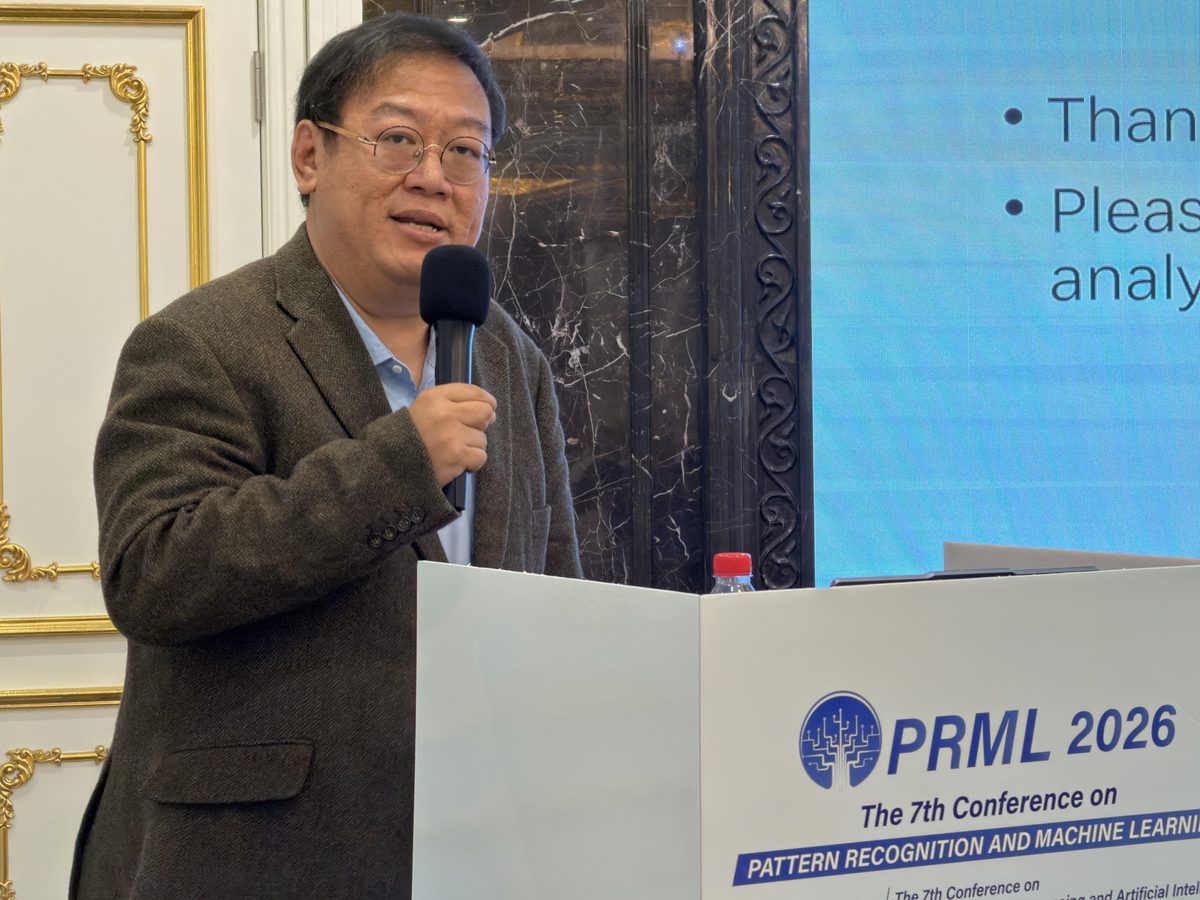
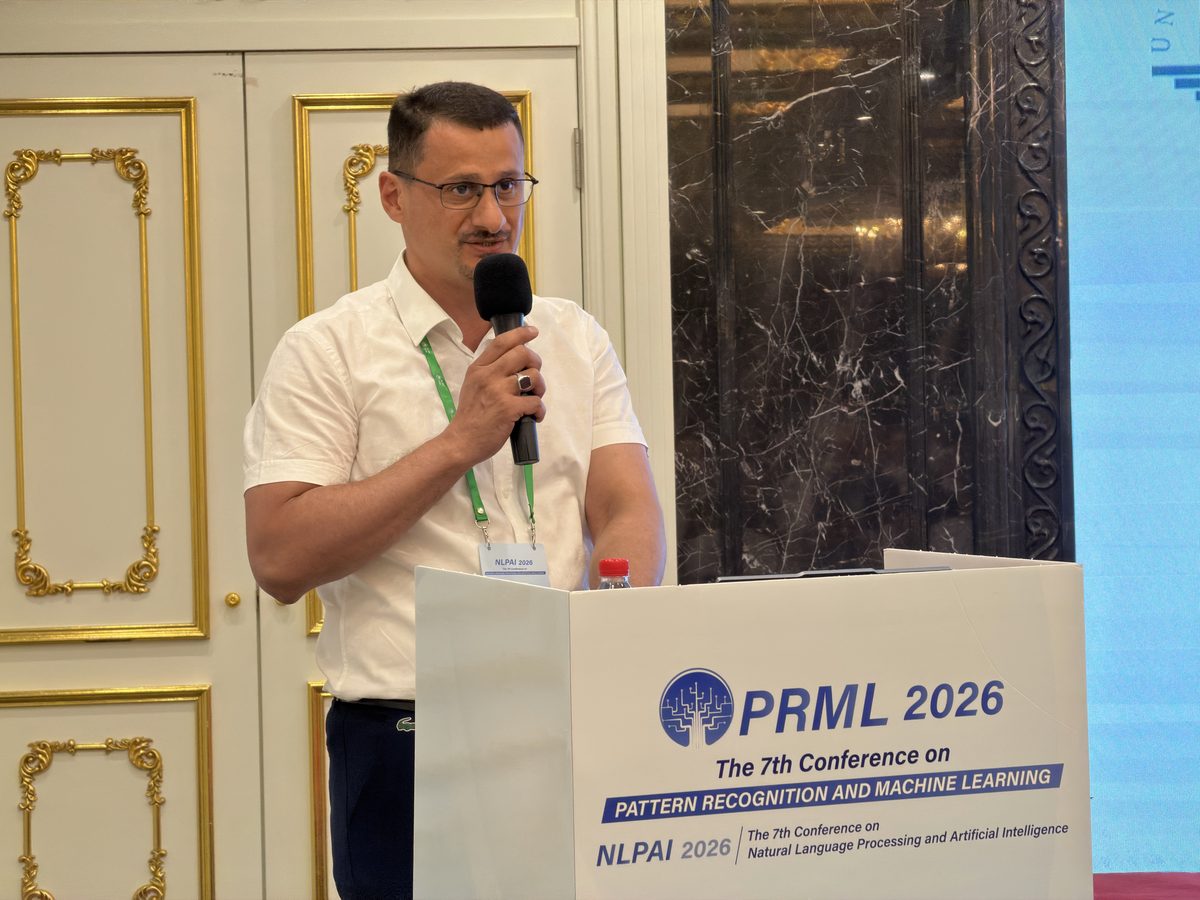
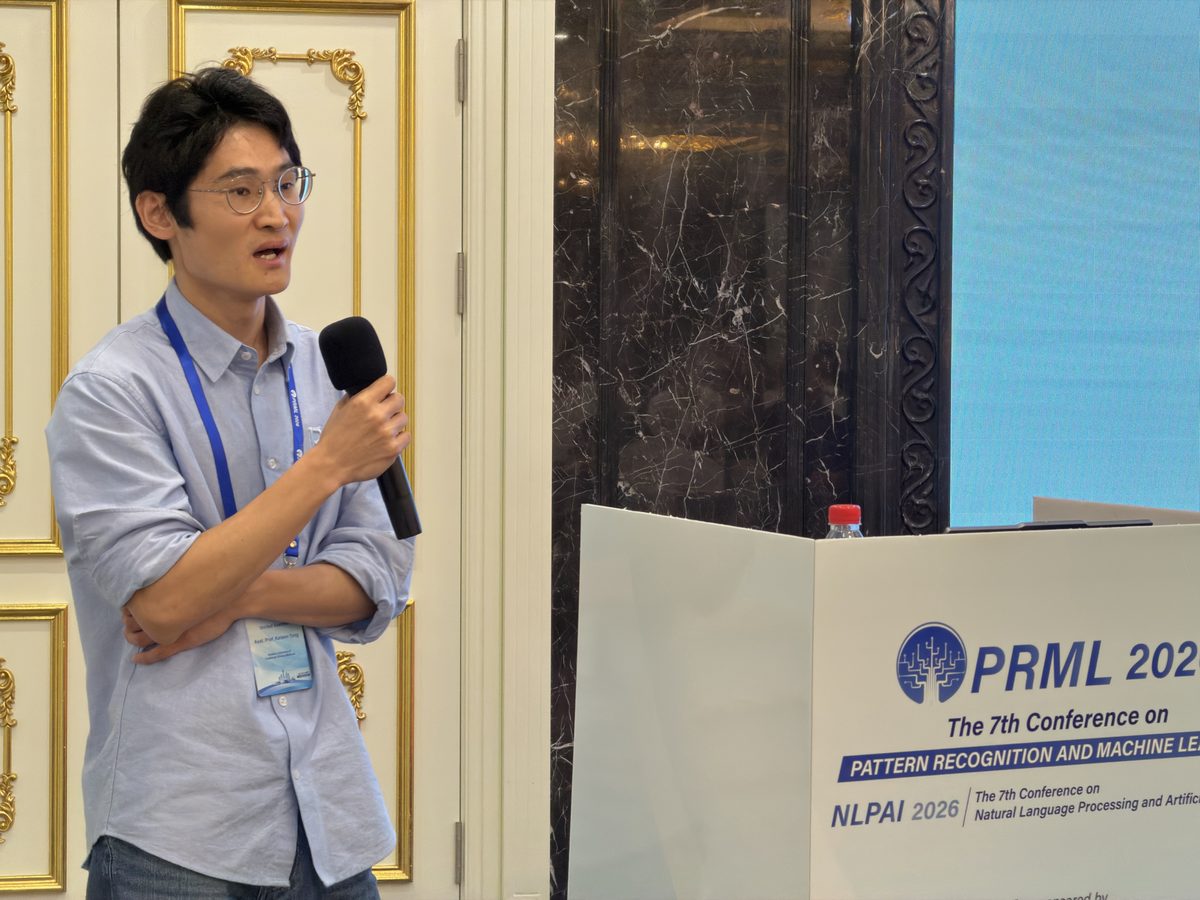
On July 11, the conference featured three invited speeches, delivered respectively by Prof. Jionglong Su from Xi’an Jiaotong-Liverpool University, Assoc. Prof. Samir Rustamov from ADA University, and Asst. Prof. Kaiwen Yang from Guizhou University of Traditional Chinese Medicine. Their speeches covered AI-assisted facial analysis in healthcare, practical speech recognition systems, and machine learning for the traditional Chinese medicine industry chain, enriching the conference’s academic exchanges.
SPECIAL & ORAL SESSIONS
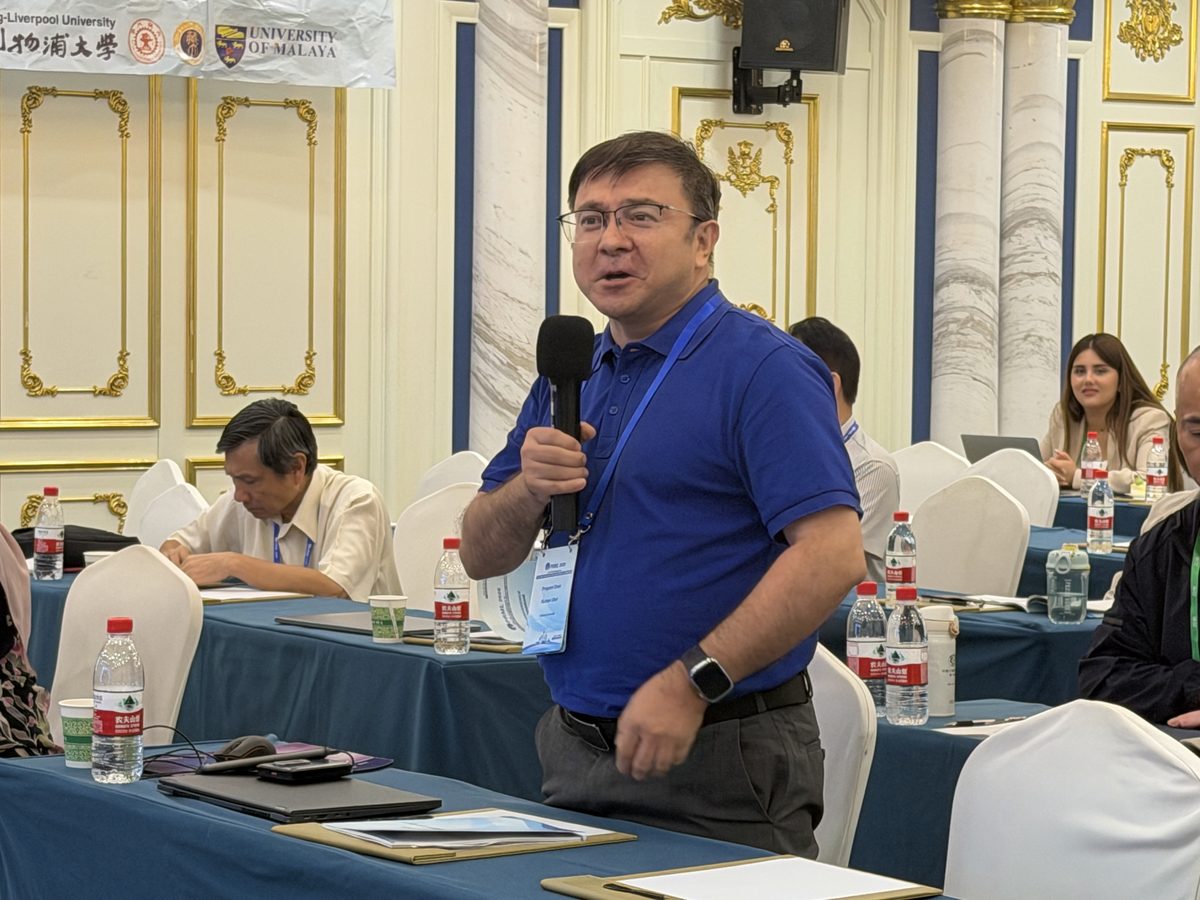
On July 11 and July 12, 2 Special Oral Sessions and 6 Oral Sessions were successfully delivered with the dedicated support of session chairs and all presenting authors. The presentations fell under nine core thematic areas, including low-resource language processing and speech technologies, theoretical foundations and applications of machine learning, multimodal perception and intelligent visual systems, intelligent language processing and data analytics, machine-learning-driven fusion analysis of multimodal signals, large language models and information retrieval, machine learning models and intelligent detection methods in digital image processing, and AI for fintech. Experts and scholars from around the world presented their latest research findings during these sessions.
BEST ORAL PRESENTATIONS
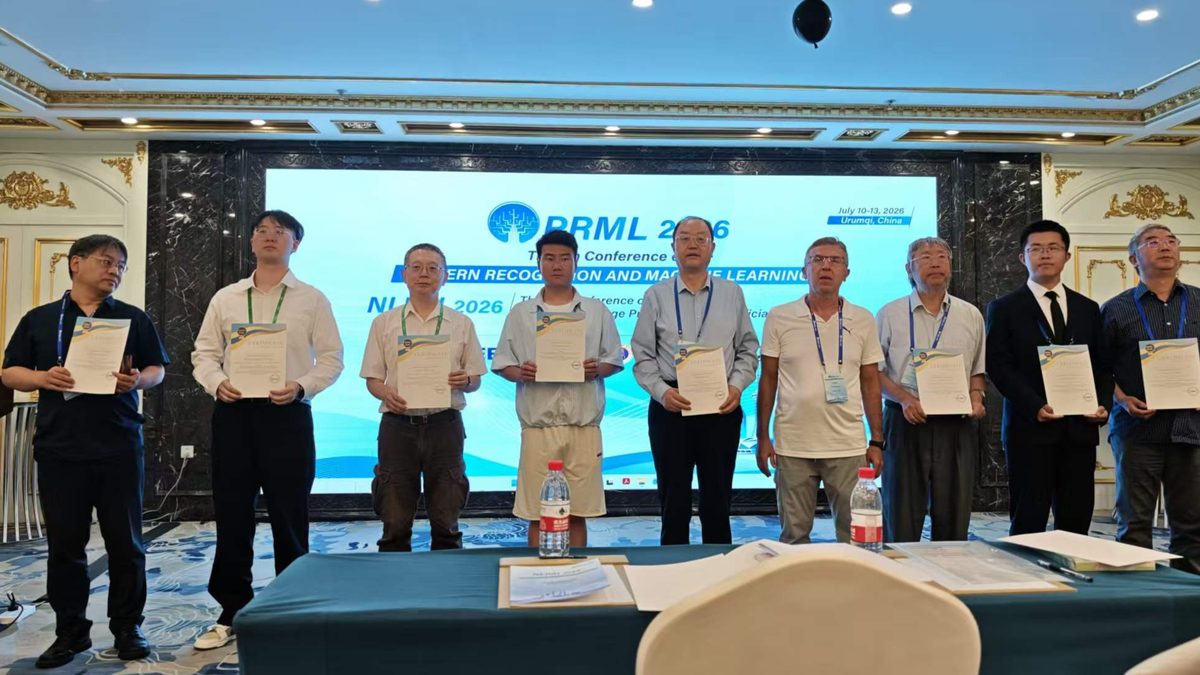
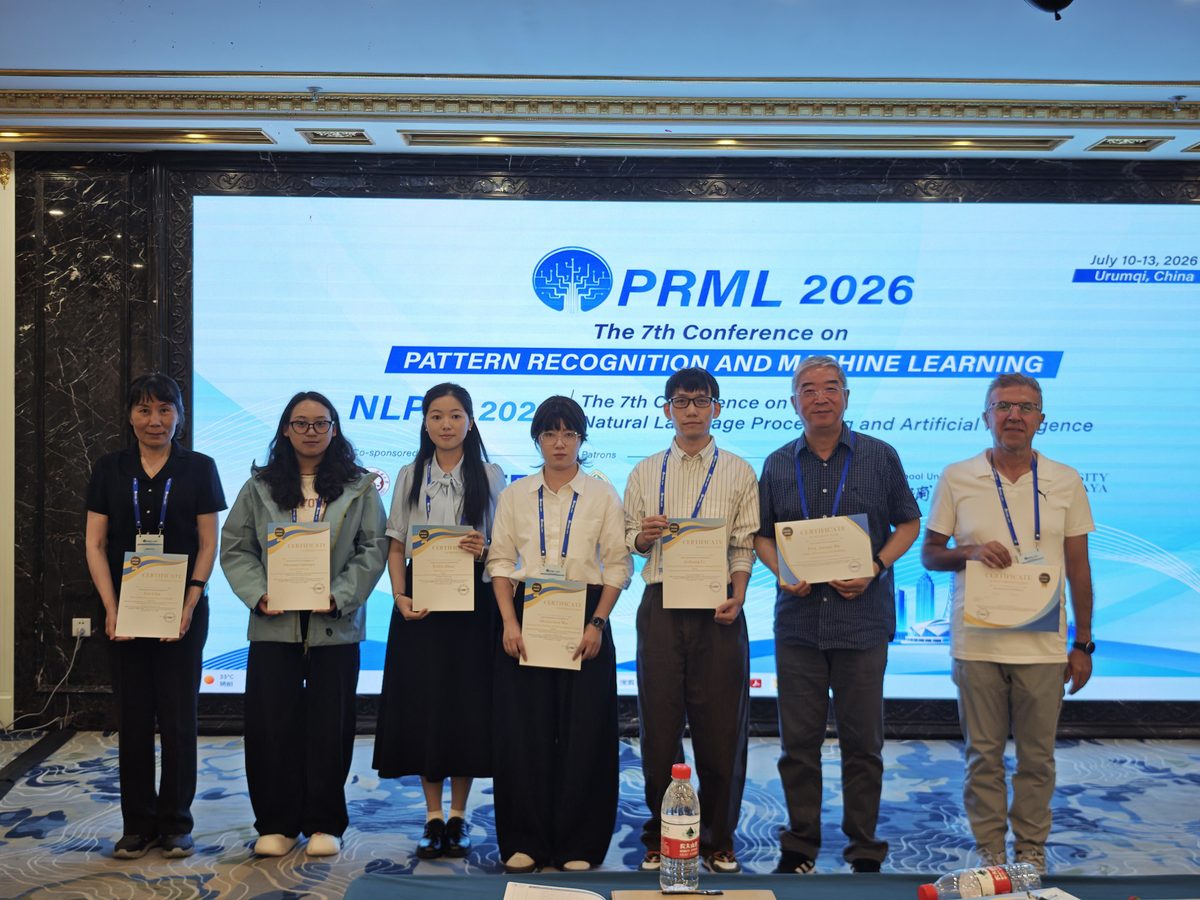
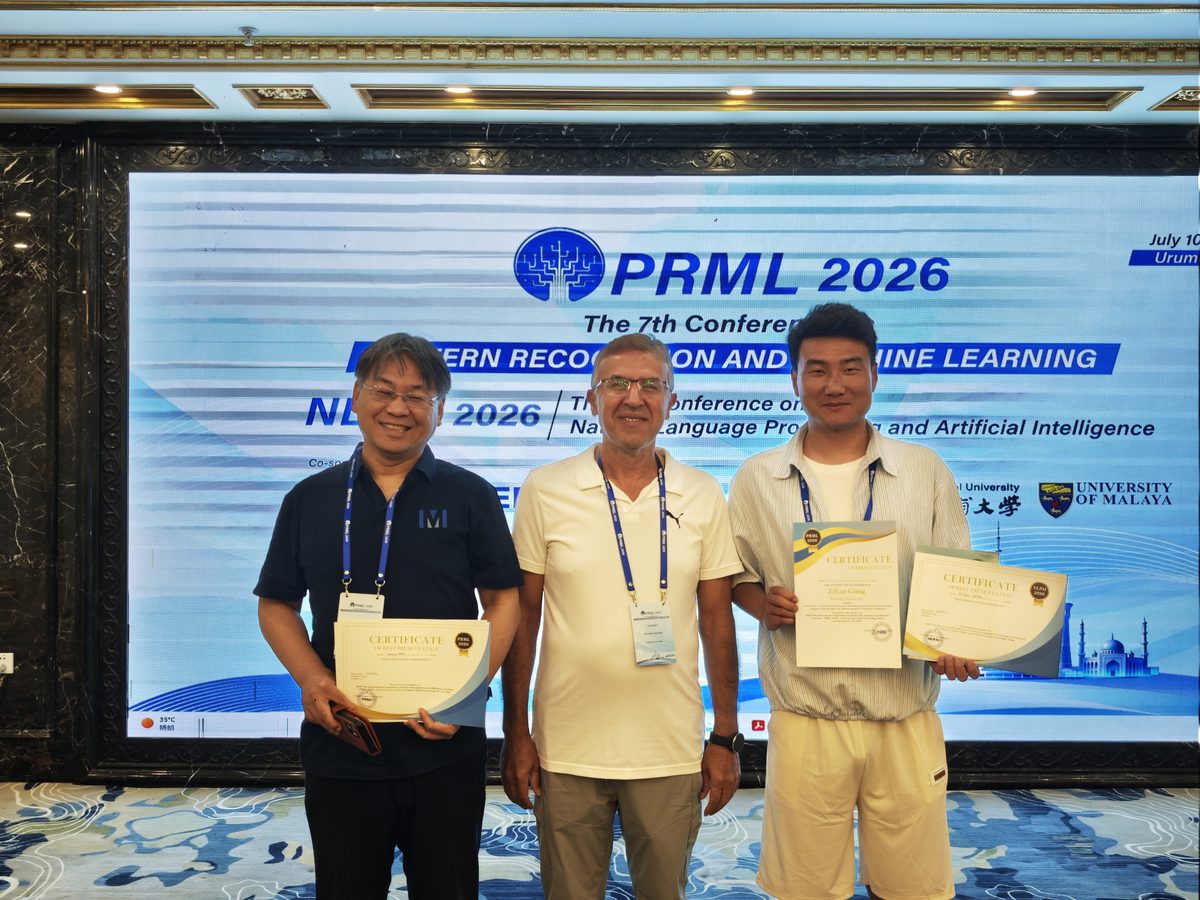
At the conclusion of the event, session chairs selected ten recipients for the Best Oral Presentation Awards:
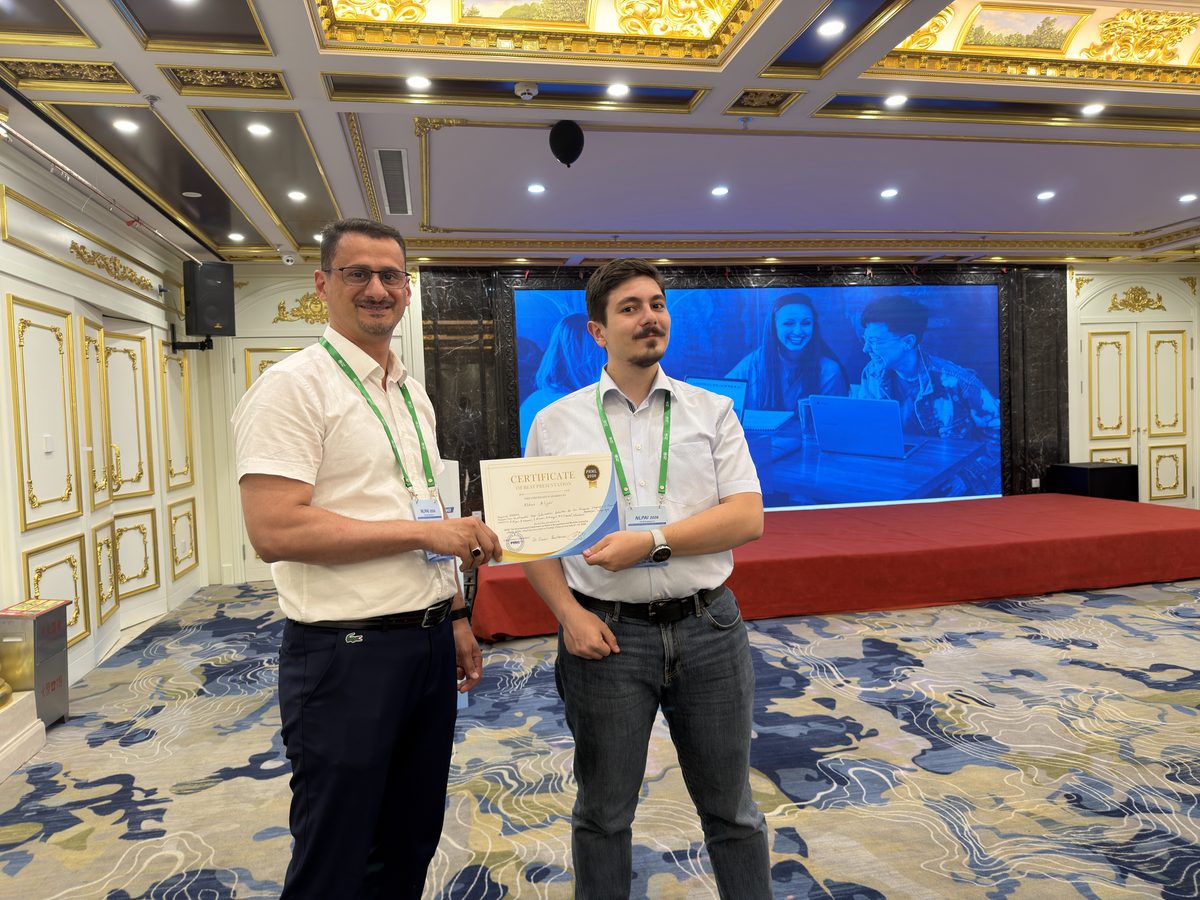
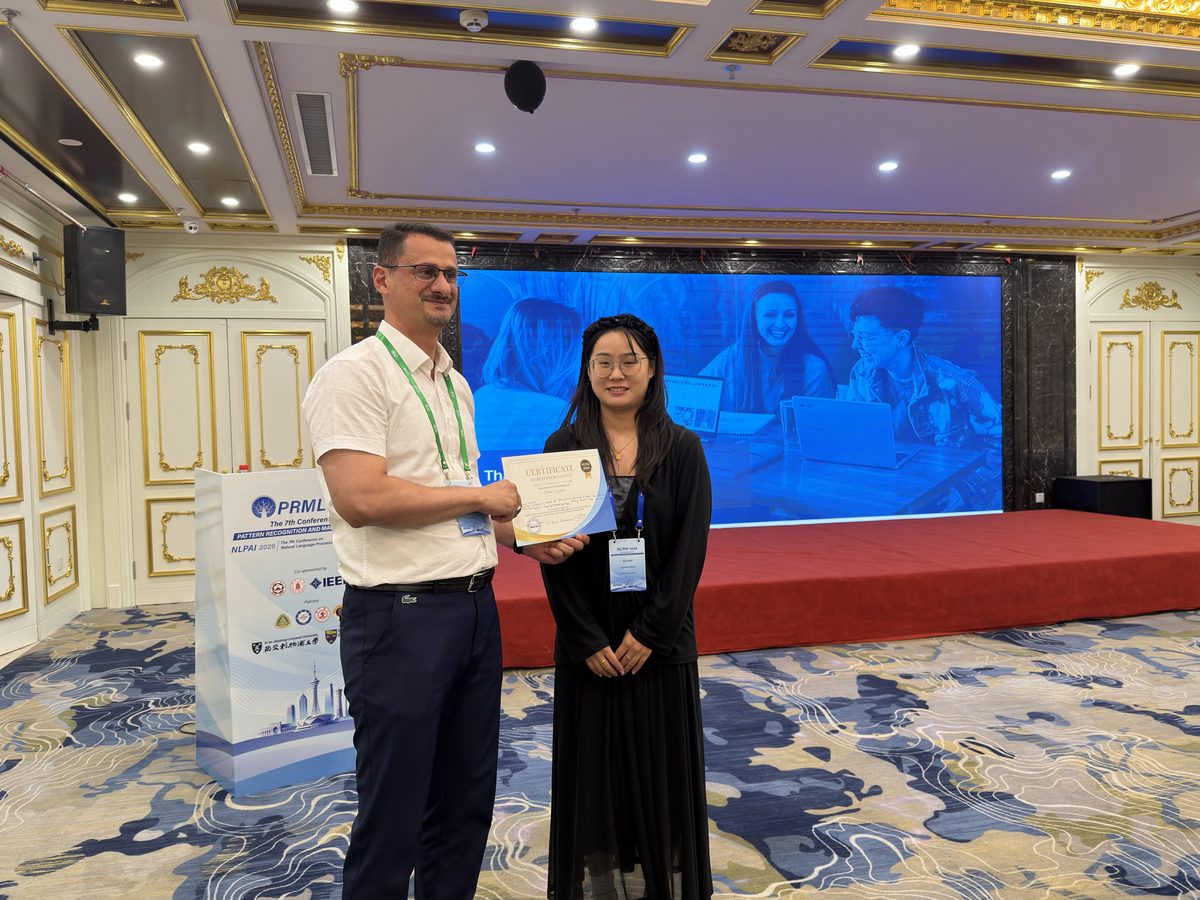
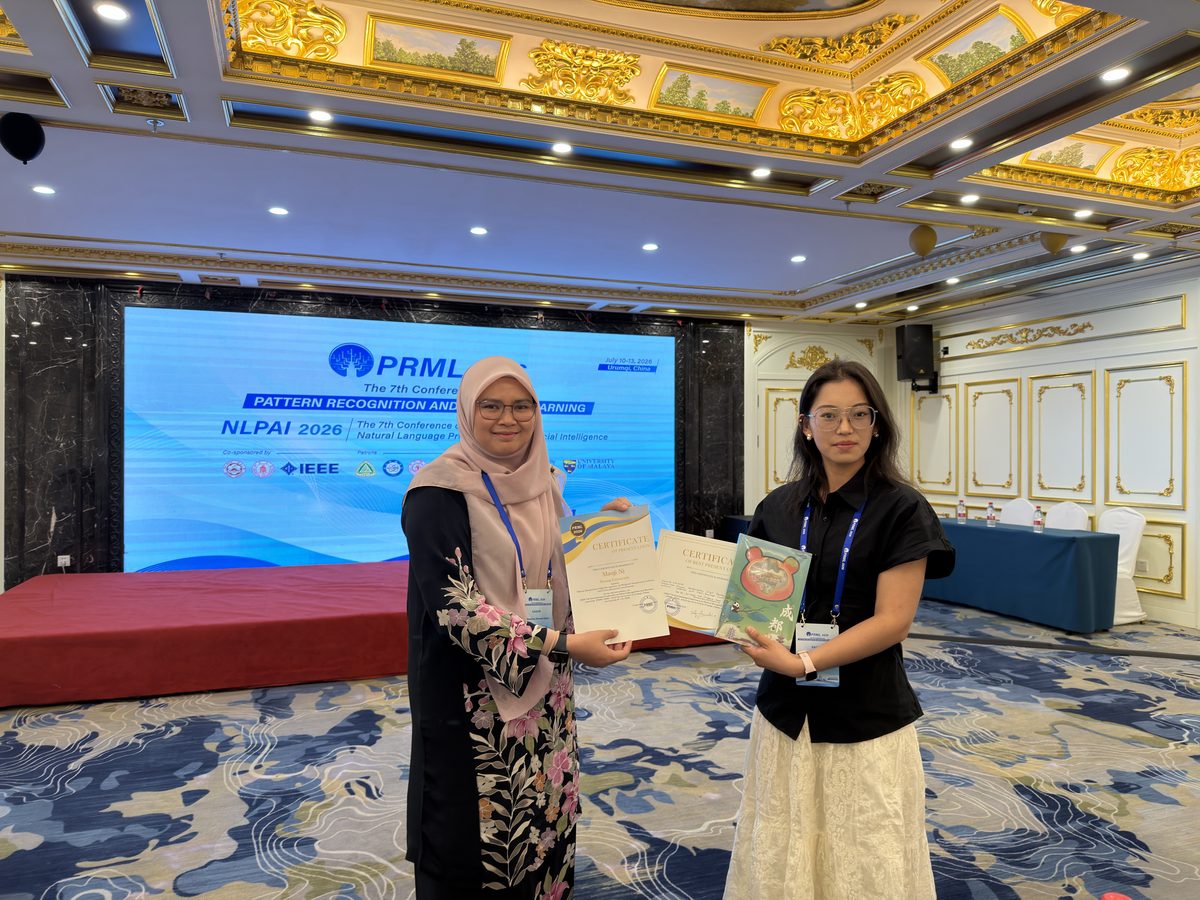
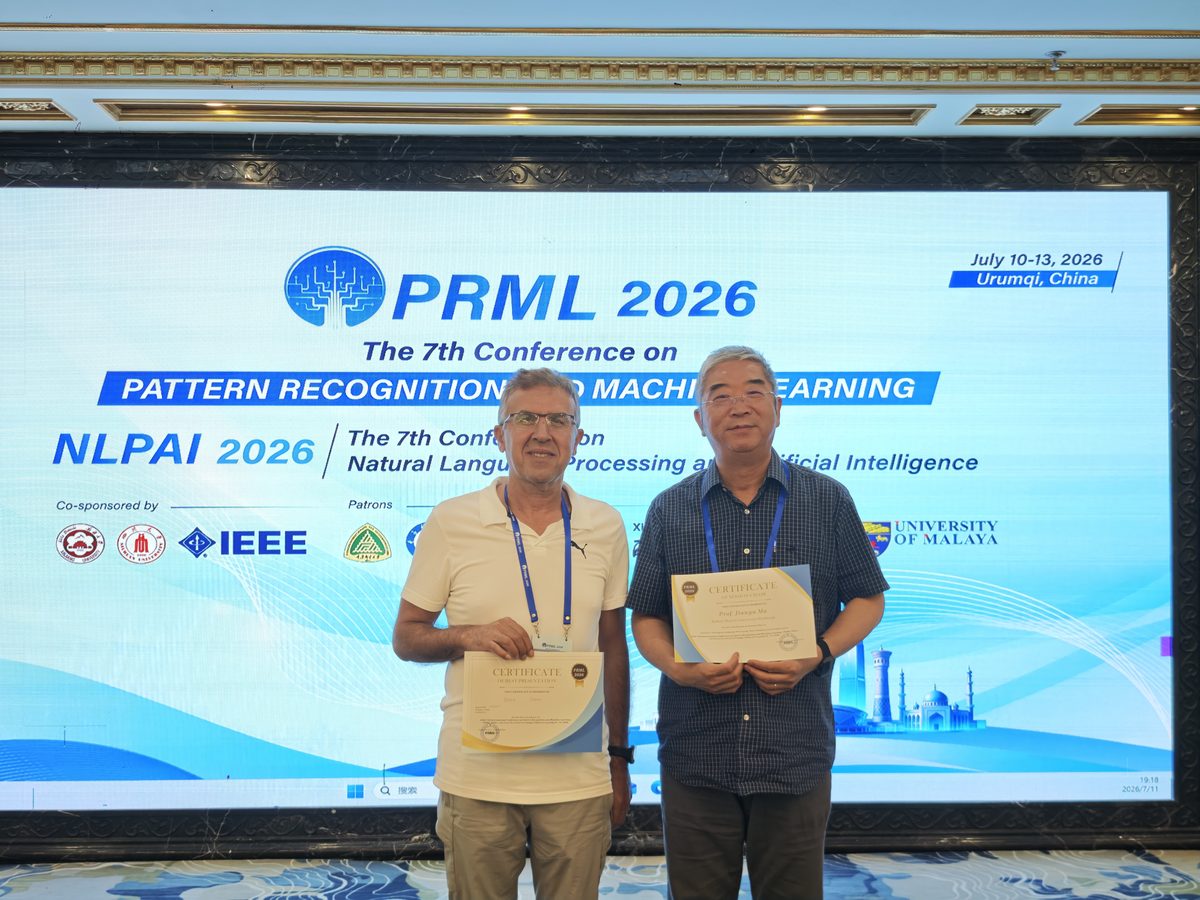
- Special Oral Session — XA2044 Samir Rustamov (ADA University)
Multimodal Fake-Information Detection for Low-Resource Language in Case of Azerbaijani Language - Special Oral Session — XA3002 Zhou Liyuan (Xizang University)
A Study on a Method for Inferring Missing Characters in Ancient Tibetan Texts from Dunhuang Based on Llama Fine-Tuning - Oral Session 1 — XA0061 ZiHao Gong (Xizang University)
UrineGNN: A Graph Neural Network with Gated Residual Connections and Adaptive Edge Weights for Tibetan Medical Urinalysis Diagnosis - Oral Session 1 — XA0076 Henry Han (Baylor University)
Re-evaluating Liquid Neural Networks for Explainable Option Implied Volatility Pricing - Oral Session 2 — XA0041 Nimaoji (Xizang University)
Tibetan Handwritten Digit Recognition via Weighted Temperature Softmax with Class-Balanced Cross-Entropy - Oral Session 3 — XA0007 Ekrem Duman (Ozyegin University)
A Study on Collection Credit Scoring Model Development - Special Online Oral Session — XA0051 Zihan Zhu (Xi’an Jiaotong-Liverpool University)
Key Information Extraction and Automated Compliance Comparison of Financial Contracts via Neuro-Symbolic Agentic Frameworks - Online Session 1 — XA0022 Chuqi Yang (The Chinese University of Hong Kong)
GCF-SeizNet: A Dual-Modal Gated Co-Attention Fusion Network for Neonatal Seizure Detection - Online Session 2 — XA2007 Achyuthan Jootoo (Unaffiliated)
An Empirical Study of Parameter Efficient Fine-Tuning methods for Dense Retrieval - Online Session 3 — XA0005 Yiquan Gao (Heriot-Watt University)
Data Relativistic Uncertainty Framework for Low-Illumination Anime Scenery Image Enhancement
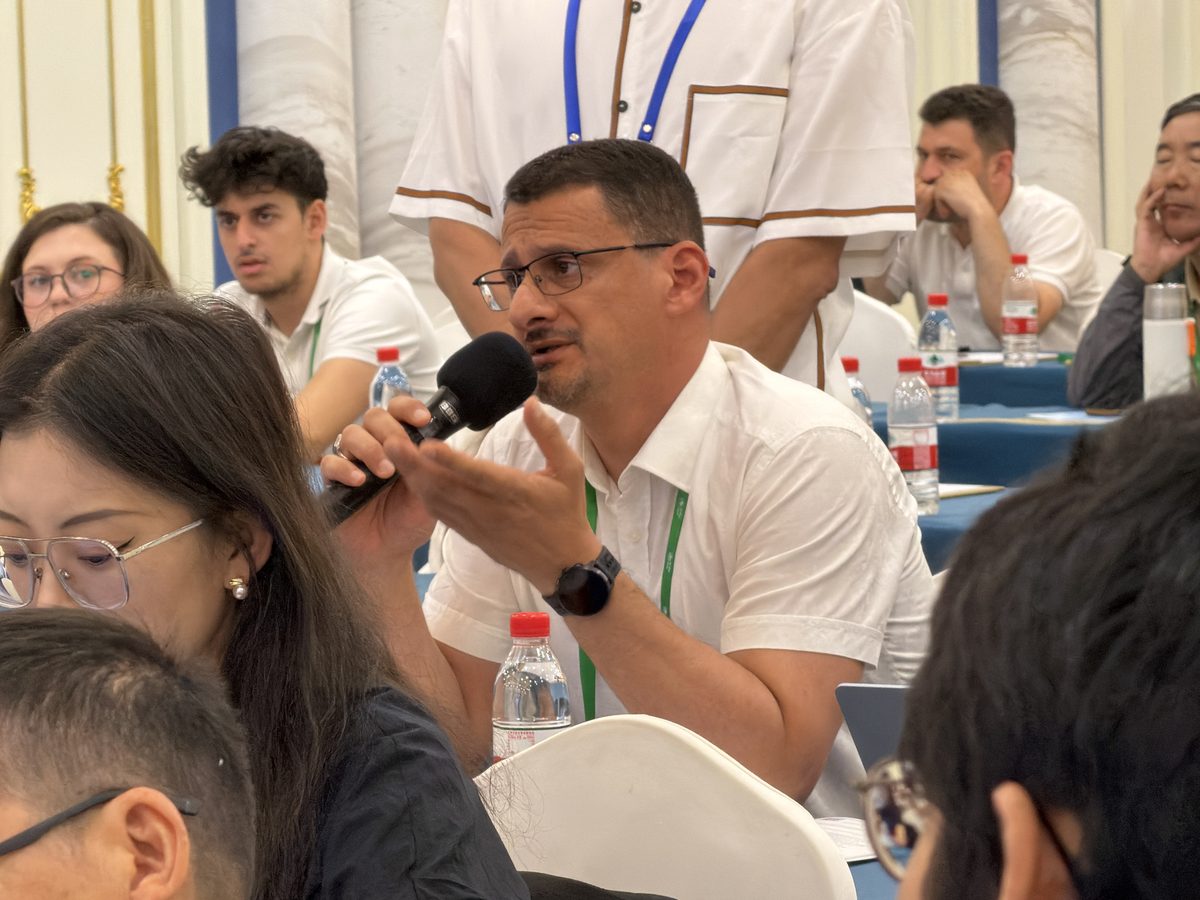
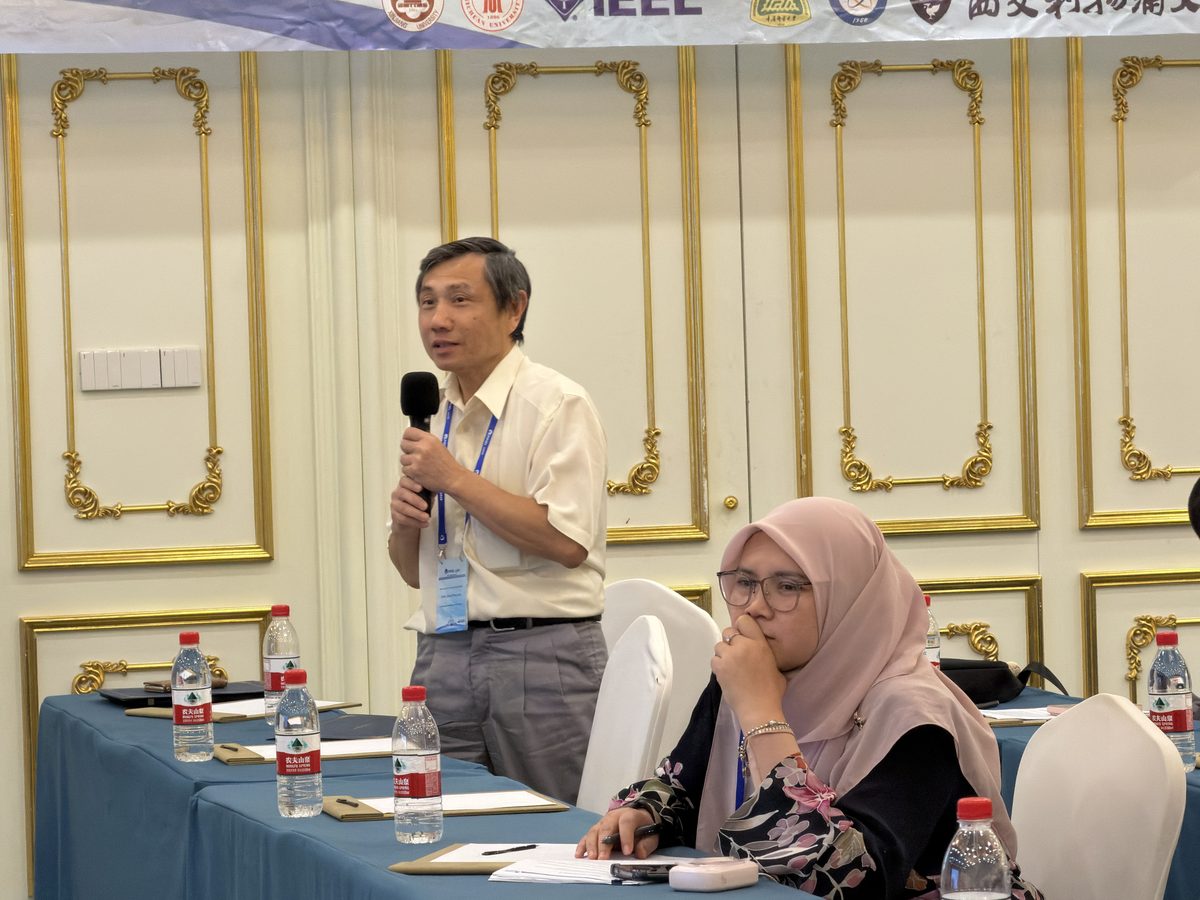
CONFERENCE GALLERY
PROCEEDINGS
Accepted papers of PRML 2026 have been published in the conference proceedings by IEEE (ISBN: 979-8-3195-4390-5).
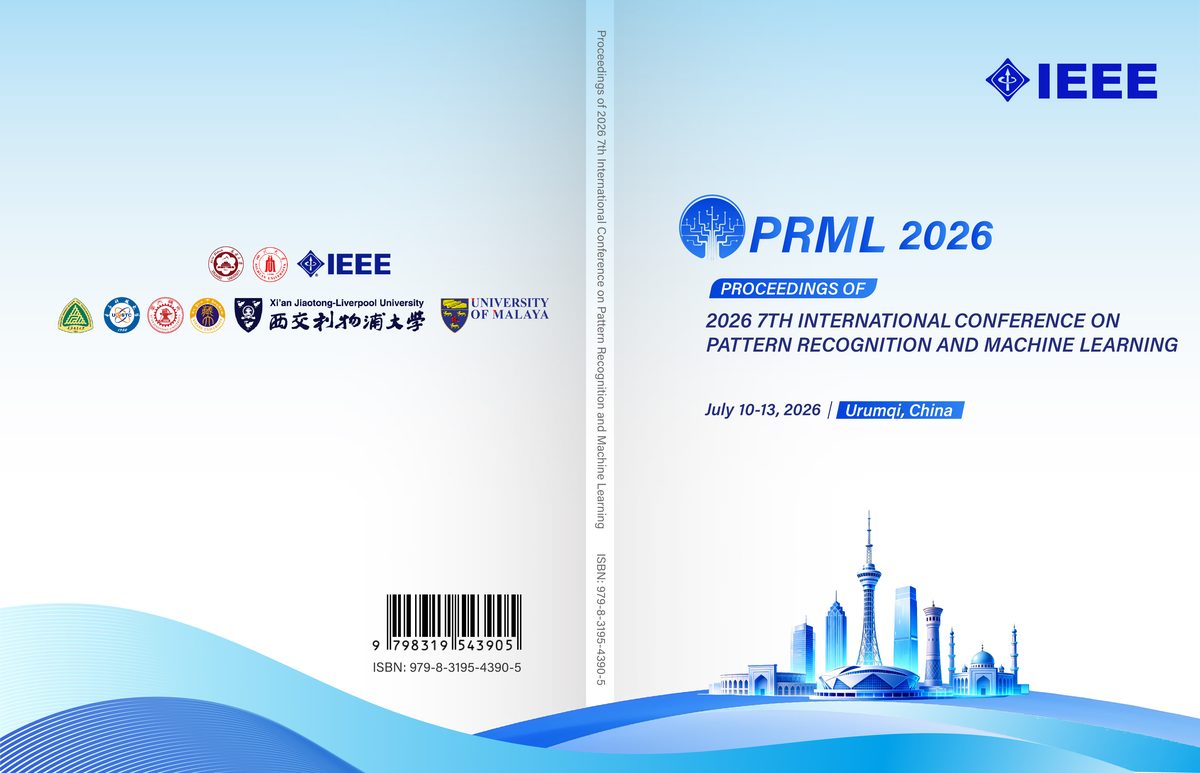
Proceedings of 2026 7th International Conference on Pattern Recognition and Machine Learning · IEEE